

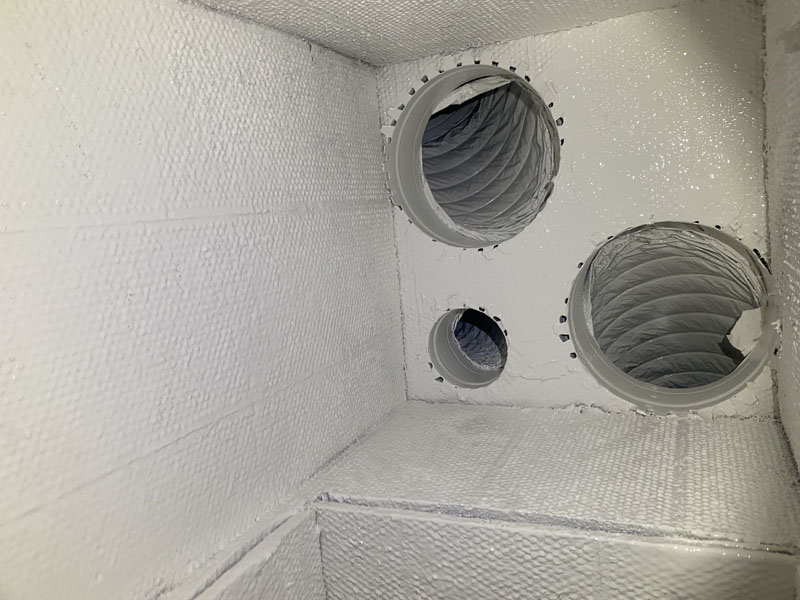
Air duct restoration is work intended to bring existing ductwork back into a serviceable condition. Depending on the inspection findings, it may involve cleaning, repairing damaged areas, sealing leaks, or addressing insulation problems. The goal is to keep suitable ductwork working properly instead of replacing it unnecessarily.
Restoration is not a single treatment that every system needs. At Duct Restore, we inspect the ductwork and HVAC equipment first, explain the condition we find, and recommend an approach suited to your home or business.
Restore when appropriate. Replace when necessary. An older duct system does not automatically need replacement, and a newer system is not automatically free of damage. Its condition matters more than its age alone.
How Is Restoration Different From Cleaning?
Cleaning removes accumulated material. Restoration considers whether the ductwork itself needs work to remain useful. If a connection leaks or insulation is damaged, cleaning alone does not correct that problem.
Cleaning
Removes accumulated dust and debris from inside the system.
Restoration
Combines appropriate work to preserve serviceable ducts and address identified problems.
Replacement
Removes ductwork that cannot reasonably be kept in service and installs suitable new sections.
If you are starting with the basics, our guide to what air duct cleaning involves explains the cleaning process in more detail.
What Can Air Duct Restoration Include?
The scope should follow the inspection, rather than a standard package applied to every property. At Duct Restore, we evaluate these areas before recommending work.
Duct condition
We inspect for damage and evaluate whether affected areas can be repaired.
Air leaks
We look for leaking connections and other openings that need attention.
Insulation issues
We identify insulation problems that may affect comfort or moisture control.
Dust & contamination
We assess buildup and possible sources before recommending cleaning.
We also consider airflow restrictions and the condition of related HVAC components. Coil and blower cleaning, for example, is a separate service that may be recommended if those components need attention. Your estimate should explain what is included.
Why Duct Condition Matters in Florida
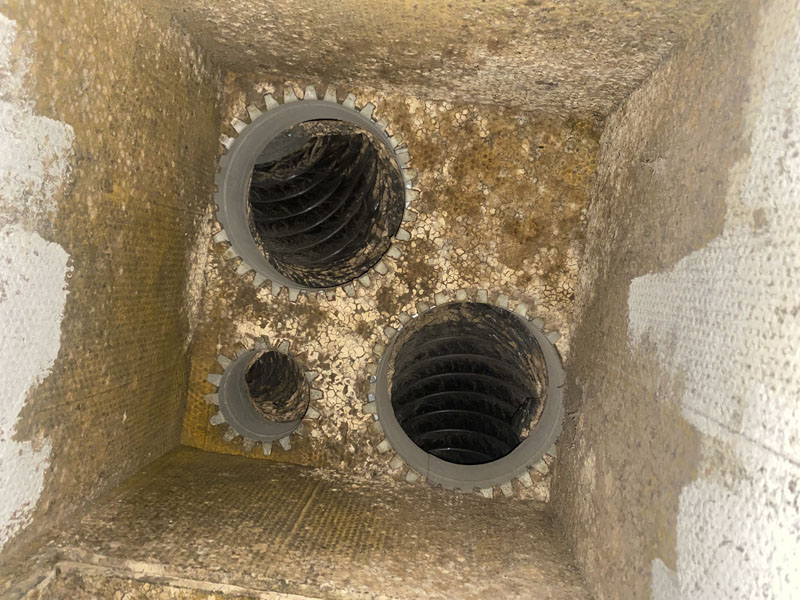
Florida’s warm, humid conditions make insulation and moisture control especially relevant. Cool duct surfaces can develop condensation when exposed to sufficiently humid air. Insulation and its protective outer layer help manage that risk.
A lasting recommendation should address why a duct is getting wet, rather than simply covering the affected surface. Duct Restore evaluates moisture, humidity, air leaks, and insulation issues as part of understanding the system.
When Is Restoration Worth Considering?
Arrange an inspection if you notice uneven comfort, weak airflow, damaged ductwork, or recurring moisture around the system. These symptoms can have several causes; they do not establish that restoration is required.
Restoration may be worth discussing when the existing ductwork is largely serviceable and identified problems can be corrected. We explain the proposed work so you can compare it with replacement and understand what each option addresses.
When Is Replacement the Better Choice?
Some materials cannot be restored effectively. The EPA states that wet or moldy duct insulation should be removed and replaced, and that the underlying moisture problem must be corrected. Suspected mold needs proper evaluation; a photograph or discoloration alone may not confirm it. See the EPA’s duct guidance.
Duct Restore’s preference for restoration does not mean keeping unsuitable materials in place. If replacement is appropriate, we explain the condition behind that recommendation and the proposed scope.
Does Restoration Always Mean Coating the Ducts?
No. Sealing leaking joints and applying a coating to interior duct surfaces are different procedures. The EPA cautions against routine use of internal sealants and chemical treatments. Any proposed product needs to be appropriate for the specific material and application. Read the EPA’s discussion of sealants and treatments.
Ask what a proposed treatment is intended to accomplish, why it is needed, and what alternatives are available. A coating or fresh scent should not be used to conceal unresolved damage or moisture.
What Does the Process Look Like?
Inspect
We examine the HVAC system and ductwork, looking for damage, leaks, restrictions, and insulation issues.
Identify the Cause
We connect the findings to your concerns and consider sources of dust or moisture.
Explain Your Options
We explain the work your system needs, including whether restoration or replacement is appropriate.
Complete the Work
We carry out the agreed scope using professional equipment and methods suited to the system.
Verify and Review
We check system operation, review the results, and answer your questions before leaving.
Can Restoration Help With Energy Costs?
Correcting duct leaks and insulation problems can support more efficient air distribution. ENERGY STAR identifies duct sealing and insulation as ways to improve comfort and efficiency. The outcome depends on your system’s condition and the work performed.
We do not promise a fixed reduction in your bill or a specific number of extra years from your AC. Our aim is to address identified problems, avoid unnecessary replacement, and support long-term system performance.
Questions to Ask About Your Estimate
- Which parts can be restored?
- Does anything need replacement?
- What caused the damage?
- How will moisture issues be addressed?
- Are any treatments proposed?
- How will the work be verified?
Duct Restore provides a free inspection and estimate so you can understand the recommendation before deciding on the work.
Duct Restoration in Your Area
Explore Duct Restore’s cleaning, repair, and restoration services near you.
Hialeah
Air duct cleaning & restoration
View Hialeah ServicesKendall
Air duct cleaning & restoration
View Kendall ServicesDoral
Air duct cleaning & restoration
View Doral ServicesOutside these communities? Our service area extends south of I-595, from Weston east to the coast and south to Florida City. Call (954) 203-7470 to confirm service at your address.

Luis Buron
Luis Buron is the owner and operator of Duct Restore, serving homeowners and businesses across South Florida. He shares practical information about duct cleaning, restoration, and HVAC care to help readers make informed decisions. His approach starts with a thorough inspection, clear explanations, and honest recommendations, with restoration before replacement whenever appropriate.